

Why Pet Odors Become Major Problems in Rental Properties
A rental property can look spotless and still lose potential tenants the moment they walk through the door.
Why?
Because odor changes perception instantly.
For landlords and property managers across Central Massachusetts, pet odor is one of the most difficult turnover issues to solve. Even after cleaning crews finish, carpets are shampooed, and fresh paint is applied, lingering pet smells can remain trapped inside the property.
And when future tenants notice those odors, it immediately raises concerns about cleanliness, maintenance, and property condition.
The challenge is that pet odor is rarely just a surface issue.
👉 It becomes embedded deep inside materials throughout the property.
Why Pet Odor Is So Difficult to Remove

Pet odor behaves differently than normal household smells.
When pets repeatedly contaminate an area, odor compounds begin penetrating into:
- Carpet fibers
- Carpet padding
- Subflooring
- Drywall
- Baseboards
- Furniture
- HVAC systems
Over time, these materials absorb contamination and slowly release odor back into the air.
That’s why a unit may:
- Smell fine temporarily
- Develop stronger odor during humidity
- Smell worse after windows are closed
- Continue releasing odor months later
Many landlords assume cleaning solved the issue because the smell initially fades.
But in reality, the odor source often remains active beneath the surface.
The Hidden Cost of Pet Odor in Rental Properties
Odor problems affect much more than just smell.
They directly impact:
- Tenant satisfaction
- Online reviews
- Lease renewals
- Property reputation
- Vacancy time
- Showing success
A prospective renter may walk into a property and immediately think:
- “This unit wasn’t cleaned properly.”
- “What else wasn’t maintained?”
- “Will my furniture absorb this smell?”
- “Will this affect my allergies?”
Even if the apartment looks professionally maintained, odor creates doubt.
And doubt slows decisions.
Also Read 🐈Specialty Odor Removal Central Massachusetts | Eliminate Strange Odors for Good
Why Cat Urine Odor Becomes So Severe
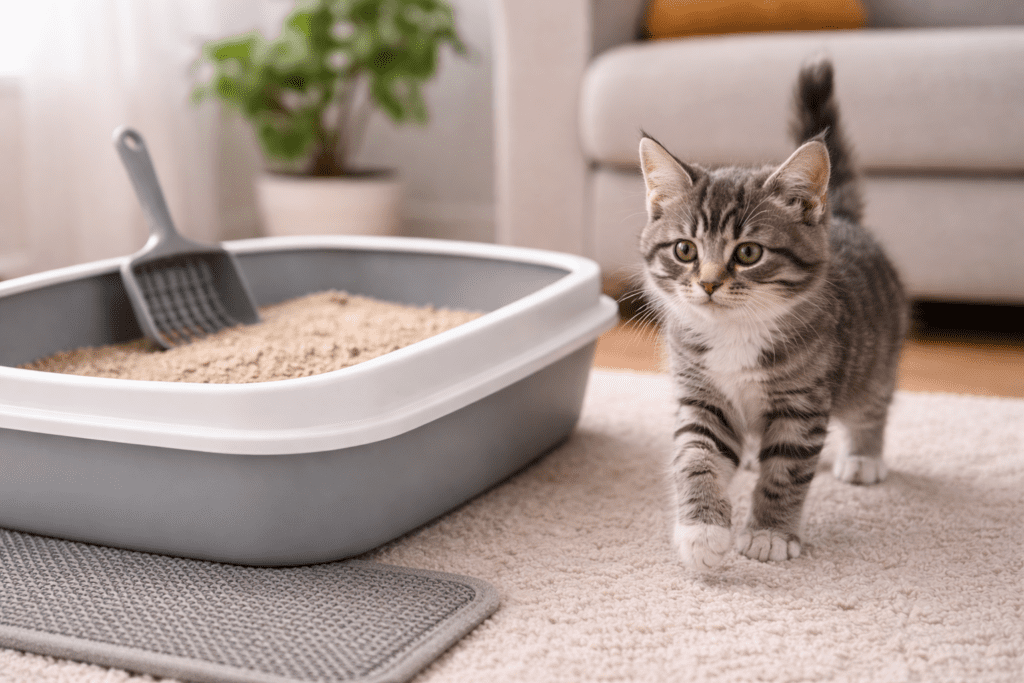
Cat urine is one of the most common and most persistent odor problems in rental housing.
Unlike many temporary smells, cat urine can penetrate deeply into:
- Wood subflooring
- Carpet padding
- Cracks between flooring materials
- Drywall corners
- Trim edges
As contamination ages, odor compounds become more concentrated.
Warm weather and humidity can reactivate those odors repeatedly, causing:
- Recurring smell issues
- Stronger odor during summer
- Complaints from new tenants
- Ongoing turnover problems
This is why some properties continue smelling like pets long after animals are gone.
A Real-World Rental Property Scenario
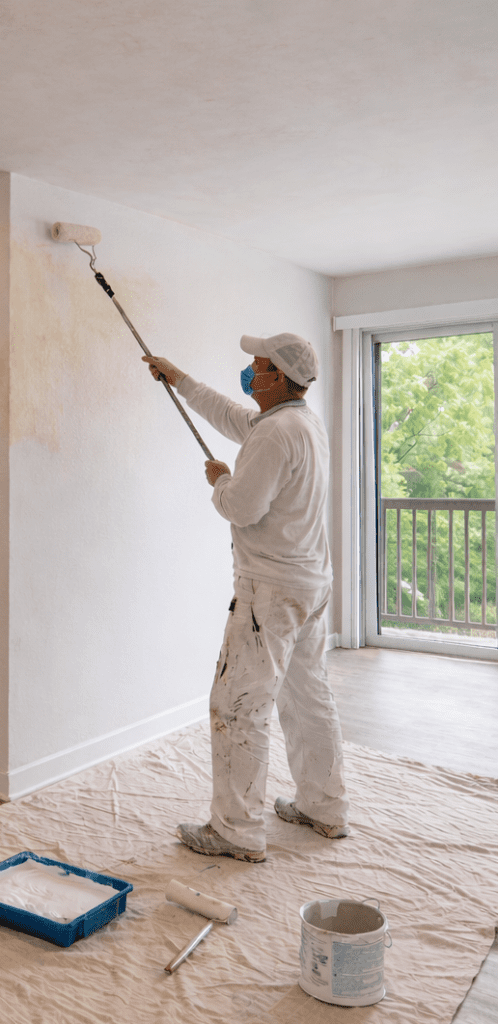
A property manager in Worcester prepares a recently vacated apartment for new tenants.
The unit:
- Has fresh paint
- Has been professionally cleaned
- Looks visually spotless
But during showings, prospective tenants continue noticing a faint pet odor near the living room carpet and hallway.
One tenant asks:
“Was there a lot of pet damage here?”
Another quietly decides not to apply.
The issue isn’t appearance anymore.
👉 It’s confidence.
Even mild lingering odor can influence how renters emotionally respond to a property.
Why DIY Odor Removal Methods Usually Fail
One of the biggest misconceptions about pet odor is believing standard cleaning removes the problem.
Most DIY approaches only address the surface.
Common mistakes include:
- Steam cleaning without odor neutralization
- Using fragrance sprays
- Repainting without treating contamination
- Cleaning carpet while ignoring padding or subfloor
- Using household products that temporarily mask odor
These methods often create short-term improvement but fail to eliminate embedded contamination.
As a result:
- Odor returns
- Tenants complain again
- The turnover cycle becomes more expensive
Also Read 🐈Smoke Odor Removal Central Massachusetts | Eliminate Smoke Smell at the Source
Why This Matters More Today
Modern renters are increasingly sensitive to:
- Indoor air quality
- Property cleanliness
- Move-in readiness
- Overall living environment
A lingering odor can instantly make a property feel:
- Older
- Poorly maintained
- Unclean
- Neglected
Even if none of those things are true.
In competitive rental markets throughout Central Massachusetts, perception directly affects leasing speed.
Operational Impact for Property Managers
Persistent odor problems often create:
- Longer vacancy periods
- Additional cleaning costs
- Reduced tenant confidence
- Higher turnover expenses
- More maintenance complaints
Addressing odor professionally early in the turnover process can help stabilize the property faster and improve showing success.
Future-Proofing Insight
Tenant expectations are changing.
Today’s renters increasingly expect:
- Neutral indoor environments
- Cleaner-smelling spaces
- Better-maintained units
- Improved indoor air quality perception
Properties with unresolved odor issues may become increasingly difficult to market competitively as expectations continue rising.
The Bottom Line
Pet odor doesn’t disappear simply because a tenant moved out.
If contamination remains inside the property’s materials, the odor will continue returning.
And future tenants will notice it.
Professional pet odor removal helps landlords and property managers address the source of the problem instead of repeatedly fighting the symptoms.
👉 If you can smell it, the contamination is still there.
What You Should Do Next...
Patriot OdorPros provides professional pet odor removal services throughout Central Massachusetts for:
- Landlords
- Property managers
- Apartment owners
- Rental property investors
We help eliminate pet odor at the source—not simply cover it up.
👉 Contact Patriot OdorPros today to restore confidence in your rental property.

10 FAQs
1. Why does pet odor stay in apartments after cleaning?
Because odor compounds absorb into carpet, padding, flooring, drywall, and other porous materials beneath the surface.
2. Can pet odor affect rental property value?
Yes. Persistent odor can negatively affect tenant perception, leasing speed, and overall property appeal.
3. Why is cat urine odor so difficult to remove?
Cat urine penetrates deeply into flooring materials and can continue releasing odor for long periods.
4. Do air fresheners solve pet odor problems?
No. They typically mask the smell temporarily instead of eliminating the source.
5. Can pet odor return after cleaning?
Yes. Heat and humidity can reactivate odor trapped inside materials.
6. What materials absorb pet odor most?
Carpet, carpet padding, upholstery, drywall, and subflooring are common absorption areas.
7. Does repainting remove pet odor?
Not usually. If contamination remains beneath surfaces, odor often returns.
8. Why do tenants notice odor immediately?
Odor strongly influences perception of cleanliness and property condition.
9. Can HVAC systems spread pet odor?
Yes. Airflow systems can circulate odor throughout the property.
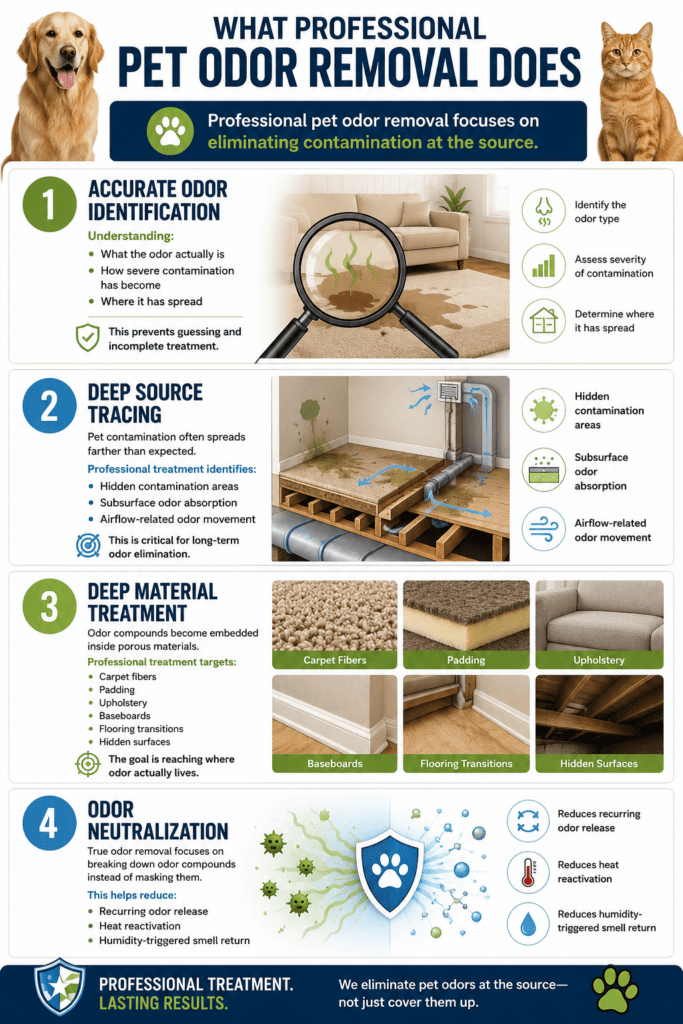
10. What is professional pet odor removal?
It is a process focused on identifying, tracing, neutralizing, and treating embedded odor contamination at the source.
