

Auto Dealers & Fleet Vehicles: Odor Problems That Impact Value, Safety & Reputation
Vehicle odors are not just a cosmetic issue. For auto dealers, fleet operators, and public safety agencies, persistent odors directly affect resale value, customer trust, employee comfort, and operational readiness.
From used car lots and rental fleets to police cruisers, ambulances, and ride-share vehicles, odors build up fast—and they are rarely solved with basic detailing or air fresheners.
Patriot OdorPros provides professional Fleet odor removal services throughout Central Mass, using advanced odor neutralization technologies designed to eliminate odors at the source — not mask them.
Let's Discuss:
Why Vehicle Odors Are a Serious Business Problem
Odors Cost More Than You Think
Unresolved vehicle odors commonly lead to:
- Failed vehicle inspections or resale delays
- Lower trade-in and auction values
- Customer complaints, refunds, and negative reviews
- Driver dissatisfaction and employee health concerns
- Vehicles taken out of service unnecessarily
Most vehicle odors are embedded in porous materials—seats, headliners, HVAC systems, insulation, and floor padding—making them difficult to eliminate without specialized treatment.
Get In Touch FAST!

Professional Odor Removal You Can Trust
Real odor elimination, not cover-ups
Unpleasant odors don’t disappear on their own—and air fresheners only make the problem worse. At Patriot OdorPros, we focus on identifying and treating the materials where odors actually live, so the smell is removed instead of temporarily hidden.
Why property owners choose us
- Odors treated at the source, not masked
- Proven methods for pet, smoke, and musty smells
- Clear explanation of odor source and solution
- Professional, respectful service in occupied spaces
- Locally focused service throughout Central Massachusetts
Used Car Dealers & Independent Auto Lots
Common Odor Issues in Pre-Owned Vehicles
Used vehicles often carry multiple layers of odor history, including:
- Tobacco and cannabis smoke
- Pet hair, dander, and urine
- Food spills, rotting trash, and grease
- Mold and mildew from leaks or flood exposure
- Heavy perfumes used to mask previous odors
Many vehicles arrive already “cleaned” but still fail test drives due to lingering smells.
Common Odor Issues in Pre-Owned Vehicles
- Longer time on lot
- Reduced buyer confidence
- Price negotiations driven by odor objections
This all equates to lost revenues, increased cost per vehicle and tighter margins once a vehicle is sold.
Police Vehicles & Law Enforcement Fleets

Unique Odor Challenges in Police Cruisers
Police vehicles face extreme odor exposure due to:
- Transport of detainees (sweat, bodily fluids, drugs, smoke)
- Long shifts with food, coffee, and stress-related odors
- K-9 transport residue
- Limited downtime between assignments
These odors often become embedded in seats, rear compartments, and HVAC systems.
Operational concerns include:
- Officer discomfort and distraction
- Cross-contamination between detainees
- Public perception issues
- Vehicles removed from service prematurely
Fire Apparatus & Emergency Vehicles

Fire, Smoke & Biological Odors in Emergency Fleets
Fire engines and ambulances accumulate odors from:
- Smoke and combustion byproducts
- Wet gear and moisture intrusion
- Blood, vomit, and medical waste exposure
- Prolonged HVAC recirculation
Even modern vehicles quickly retain odors that standard cleaning cannot address.
Why it matters:
- Crew health and morale
- Cross-contamination risks
- Vehicle readiness and compliance
Ambulances & Medical Transport Vehicles

Medical Odors That Don’t Belong in Patient Care
Ambulances experience some of the most difficult odor conditions:
- Bodily fluids absorbed into flooring and gurney mounts
- Persistent disinfectant buildup masking deeper odors
- HVAC contamination from repeated bio-exposure
Odors in medical transport vehicles can undermine patient confidence and staff comfort.
Odor Removal Services for Auto Rental Companies

High Turnover, Diverse Users, High Odor Risk
Rental fleets cycle drivers constantly, leading to:
- Smoke residue despite “no smoking” policies
- Food spills and hidden trash
- Wet sand, pet hair, and mildew
- Perfumes layered over unresolved odors
Business risks include:
- Vehicle returns and reassignments
- Negative reviews
- Increased cleaning costs
- Lost rental days
Odor Removal Services for Ride-Share Vehicles (Uber & Lyft)

Reviews Matter: Odors That Affect Ratings and Income
Ride-share drivers face:
- Passenger body odor
- Food and alcohol spills
- Smoke residue from passengers
- Pet transport contamination
Because drivers rely on ratings, even mild odors can lead to:
- Poor reviews
- Reduced ride requests
- Lost income
Odor Removal Services for Other Fleet & Personal Transport Vehicles
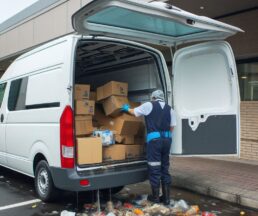
Other Vehicle Types Commonly Affected by Odor
- Shuttle buses and vans
- Company cars
- Taxis and livery vehicles
- Service and delivery fleets
- RVs, campers, and mobile units
Odors accumulate faster in high-use vehicles and often persist despite frequent cleaning.
Why Odors Persist — And Why Traditional Detailing Fails to Remove Many Smells
Masking vs. True Odor Elimination
Most vehicle odor problems persist because:
- Odors are absorbed, not surface-level
- HVAC systems trap contaminants
- Moisture creates recurring mold and mildew
- Masking agents worsen long-term odor issues
This is why many vehicles smell “clean” briefly—then relapse within days.

Providing Odor Removal Services for Homes, Apartments, Business & Vehicles in Central Massachusetts, particularly in Worcester County.
Where we are located:
PO Box 591 Oxford, MA 01540
How to Contact Us:
Tel: 800.295.2487 | Email: info@patriotodorpros.com