

Why Smoke Odor Can Hurt Your Home Sale Faster Than You Think
You can repaint walls.
You can deep clean every room.
You can invest in staging and curb appeal.
But if buyers walk into your home and smell smoke?
👉 That instantly becomes the first impression.
And first impressions are incredibly difficult to reverse.
For homeowners across Central Massachusetts, lingering smoke odor is one of the biggest hidden obstacles during the selling process. Even homes that appear visually clean can still feel contaminated to buyers if smoke odor remains trapped inside the property.
The challenge is that smoke odor doesn’t simply sit in the air.
It becomes absorbed into the structure of the home itself.
Why Smoke Odor Stays in Homes
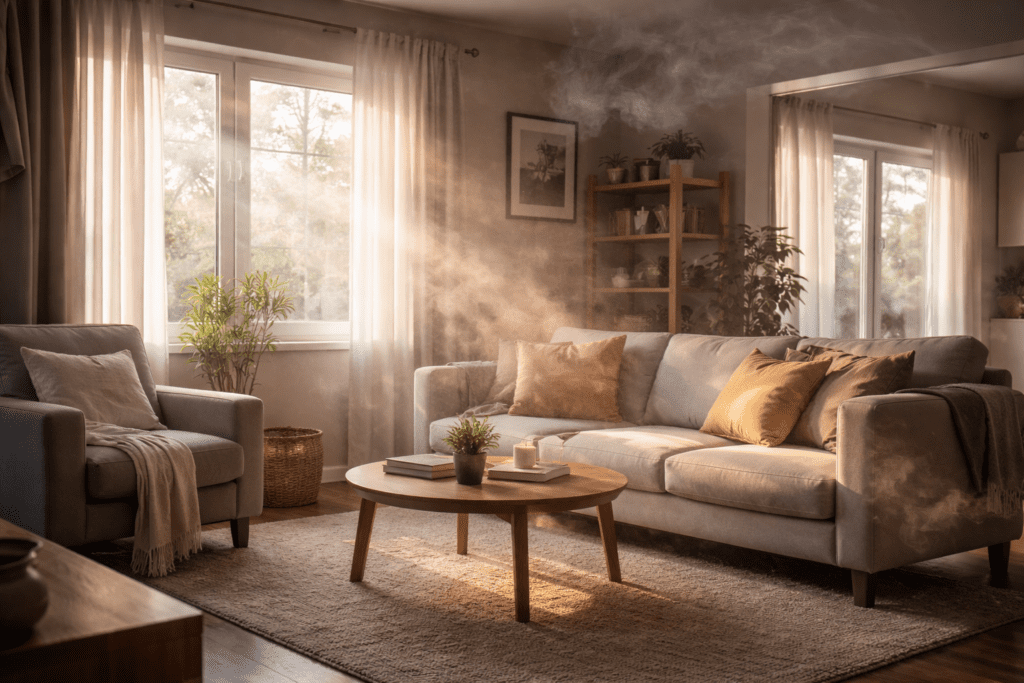
Smoke particles are extremely small and highly invasive.
Over time, they penetrate deeply into:
- Drywall
- Ceiling materials
- Insulation
- Flooring
- Carpet
- Furniture
- Drapes
- HVAC systems
As these particles settle into porous materials, they continue releasing odor long after smoking stops.
This is why homes can:
- Smell stronger during heat or humidity
- Continue smelling smoky after cleaning
- Release odor again after windows are closed
- Develop recurring odor problems months later
Many homeowners believe fresh paint alone solves the issue.
But often, the odor source remains hidden beneath surfaces.
Why Buyers React So Strongly to Smoke Odor
Smoke odor changes how buyers emotionally respond to a property.
Even subtle odor can immediately trigger concerns like:
- “Will this smell stay in my furniture?”
- “Is there hidden smoke damage?”
- “How expensive will this be to fix?”
- “Will this affect indoor air quality?”
The problem is no longer visual.
👉 It becomes psychological.
Buyers may start questioning the cleanliness and maintenance of the entire home—even if the property is otherwise beautiful.
The Hidden Impact on Property Value

Lingering smoke odor can influence:
- Showing success
- Buyer confidence
- Offer strength
- Time on market
- Negotiation leverage
Some buyers may:
- Leave quickly during showings
- Mentally lower the property’s value
- Assume hidden restoration costs
- Skip making an offer entirely
And because odor is emotional, sellers often don’t realize how noticeable it has become after living with it for years.
A Real-World Scenario
A homeowner in Worcester prepares their home for listing after years of indoor smoking.
The home:
- Has new paint
- Has updated décor
- Has been professionally cleaned
Everything looks ready for market.
But during showings, buyers continue hesitating.
One buyer comments:
“The house is beautiful, but something smells off.”
Another quietly assumes major smoke damage may exist behind the walls.
👉 The issue isn’t appearance anymore—it’s trust.
Once buyers associate a property with smoke contamination, overcoming that impression becomes extremely difficult.
Why Air Fresheners Often Make the Problem Worse
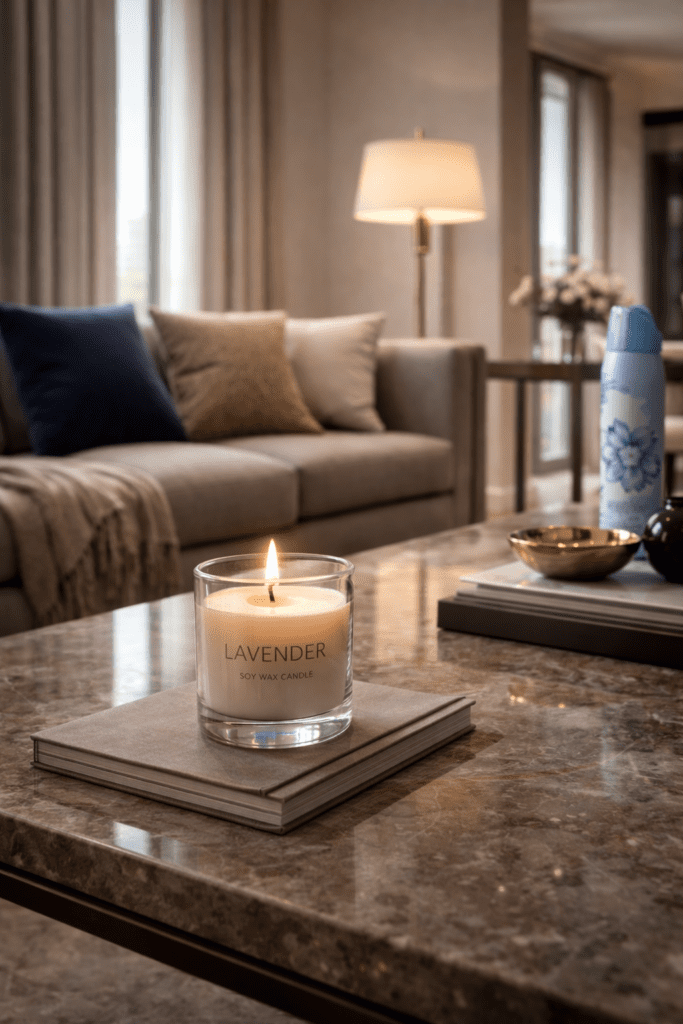
One of the biggest mistakes sellers make is trying to mask smoke odor with fragrance.
Heavy candles, plug-ins, sprays, and perfume-like scents often create even more suspicion.
Buyers may immediately think:
- The seller is hiding something
- The smoke issue is severe
- The odor problem may be permanent
Strong fragrance combined with smoke odor can actually increase buyer discomfort instead of reducing it.
Also Read 📖Specialty Odor Removal Central Massachusetts | Eliminate Strange Odors for Good
What Professional Smoke Odor Removal Does
Professional smoke odor removal focuses on eliminating contamination at the source.
1. Smoke Odor Assessment
Understanding:
- How severe contamination has become
- Which materials absorbed odor
- Where odor continues releasing from
This helps avoid incomplete treatment.
2. Deep Surface & Material Treatment
Smoke odor penetrates deeply into porous surfaces.
Professional treatment targets:
- Walls
- Flooring
- Carpet
- Upholstery
- Trim
- HVAC-related contamination
The goal is reaching beyond visible surfaces.
3. Odor Neutralization
True odor removal focuses on breaking down smoke compounds instead of covering them up.
This helps reduce:
- Recurring odor release
- Heat-triggered odor return
- Lingering contamination smell
4. Airflow & System Treatment
Smoke particles often circulate through:
- HVAC systems
- Ductwork
- Air returns
- Ventilation pathways
Treating airflow systems helps reduce recurring odor spread throughout the home.
Why This Matters More in Today’s Housing Market

Modern buyers expect homes to feel:
- Fresh
- Neutral
- Clean
- Move-in ready
Odor immediately disrupts that experience.
Even mild smoke smell can:
- Create hesitation
- Reduce emotional connection
- Affect perceived cleanliness
- Lower buyer confidence
In competitive Central Massachusetts real estate markets, those reactions can directly affect the sale process.
Operational Impact During the Selling Process
Smoke odor can lead to:
- More difficult showings
- Longer listing times
- Reduced buyer engagement
- Lower offers
- More negotiation pressure
Addressing odor before listing helps improve:
- Buyer comfort
- Showing experience
- Overall property presentation
Future-Proofing Insight

Buyer sensitivity to indoor environmental conditions continues increasing.
Today’s buyers are becoming more aware of:
- Indoor air quality
- Environmental cleanliness
- Long-term contamination concerns
- Move-in-ready expectations
Homes with lingering smoke odor may face growing buyer resistance as these expectations continue evolving.
The Bottom Line
Smoke odor doesn’t disappear simply because the home looks clean.
If smoke contamination remains embedded in materials or airflow systems, buyers will notice it.
And once they notice it, it changes how they feel about the property.
Professional smoke odor removal helps eliminate the source of contamination before it impacts your home sale.
👉 If buyers can smell it, they’ll remember it.
What You Should Do Next...
Patriot OdorPros provides professional smoke odor removal services throughout Central Massachusetts for:
- Homeowners
- Realtors
- Property managers
- Real estate professionals
We eliminate smoke odor at the source—not simply cover it up.
👉 Contact Patriot OdorPros today to prepare your home for confident showings and stronger buyer impressions.
Also Read 📖Smoke Odor Removal Central Massachusetts | Eliminate Smoke Smell at the Source
10 FAQs
1. Why does smoke odor stay in homes after cleaning?
Smoke particles absorb into drywall, flooring, furniture, insulation, and HVAC systems where normal cleaning cannot fully remove them.
2. Can smoke odor affect home value?
Yes. Lingering smoke odor can reduce buyer confidence, lower perceived value, and negatively impact offers.
3. Why do buyers react strongly to smoke smell?
Smoke odor immediately affects how buyers perceive cleanliness, maintenance quality, and overall property condition.
4. Does repainting remove smoke odor?
Not always. Paint may temporarily reduce surface smell, but embedded contamination often remains underneath.
5. Can smoke odor return after cleaning?
Yes. Heat and humidity can reactivate odor trapped inside porous materials.
6. What materials absorb smoke odor most?
Drywall, insulation, carpet, upholstery, flooring, drapes, and HVAC systems commonly absorb smoke odor.
7. Do air fresheners solve smoke odor problems?
No. Air fresheners usually mask the smell temporarily instead of eliminating the contamination source.
8. Can HVAC systems spread smoke odor?
Yes. HVAC systems can circulate smoke particles and odor throughout the home.
9. How does smoke odor impact home showings?
Smoke odor can create hesitation, shorten showing times, and reduce emotional connection with buyers.
10. What is professional smoke odor removal?
Professional smoke odor removal is a source-focused process that identifies, treats, neutralizes, and removes embedded smoke contamination from materials and airflow systems.
